
How to Explore Rejuvenating Places in Habarana: A Guide to Serenity
Published by Hector Dean,
Habarana, located in Sri Lanka's cultural triangle, is a popular destination for tourists seeking adventure and tradition. Discover adjacent UNESCO World Heritage sites, including the Sigiriya Rock Fortress and the ancient cities of Anuradhapura and Polonnaruwa. Enjoy animal safaris in Minneriya National Park, which is famous for its elephant herds. Habarana has an ideal blend of history, nature, and animals.
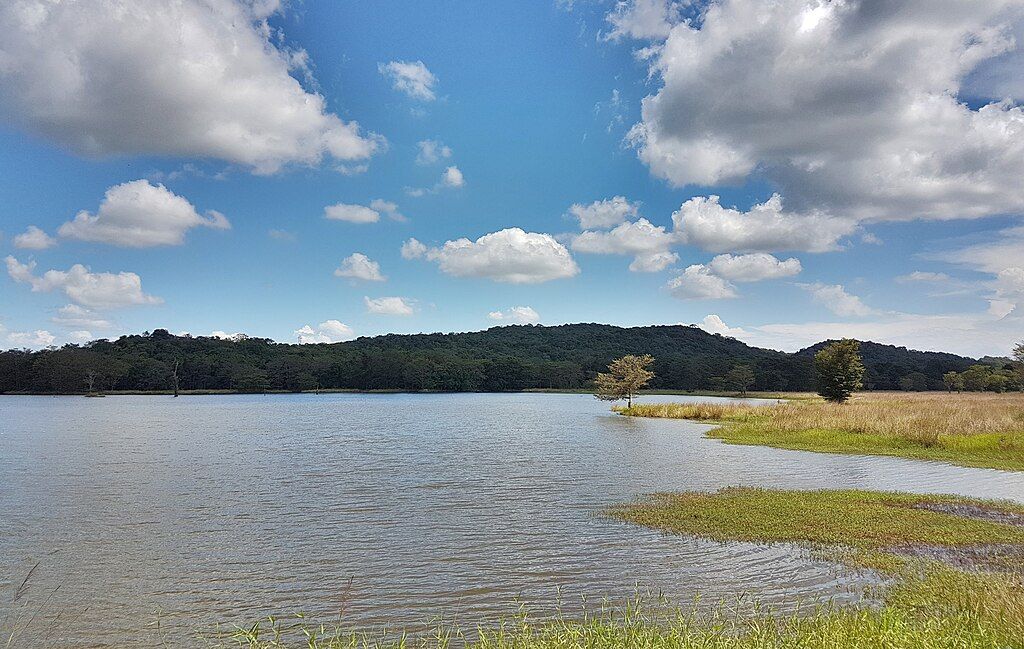
Image via Wikimedia Commons - File:Water hole at Kaudulla national park, Sri Lanka.jpg: Stegop, Water hole at Kaudulla national park, Sri Lanka (crop), CC BY-SA 4.0

.jpg)
How to get to Habarana?
Habarana is easily accessible and provides a range of transportation choices. The distance by vehicle from Colombo, the capital of Sri Lanka, is about 4 hours. There are two options for pleasant transportation: using an interstate bus service or hiring a private taxi. As an alternative, those who enjoy trains can travel for around 6-7 hours on a picturesque train from Colombo Fort to Habarana. The scenery of Sri Lanka can be seen picturesquely from this path. If you're flying in and want to travel to Habarana directly, from the airport, you can hire a taxi or take a bus to Colombo Fort and then proceed by train or road to Habarana, with car rentals also available for a more flexible journey.
Habarana Lake
Situated in the centre of Sri Lanka's cultural triangle, Habarana Lake is a serene haven ideal for people seeking leisure and those who enjoy the outdoors and is considered one of the main Habarana attractions. Encircled by an abundance of vegetation, the lake presents gorgeous vistas and tranquil scenery. A tranquil boat ride along the shoreline allows visitors to observe local animals, including birds, monkeys, and elephants. The lake is a great place to take pictures, especially in the morning and evening when the light casts beautiful reflections on the water. There are several opulent resorts and eco-lodges close by, such as Habarana Village by Cinnamon, that offer quick access to the lake and its tranquil atmosphere. When exploring different cultures, travellers who want to relax and get back to nature could definitely stop by Habarana Lake.
Kaudulla National Park
Established in 2002, the park spans approximately 6,900 hectares and is part of the elephant corridor that connects Minneriya and Wasgamuwa National Parks. The park's highlight is its large elephant population, with herds often seen around the Kaudulla Tank, especially during the dry season from August to December when water sources elsewhere dry up. Apart from elephants, the biodiversity of Kaudulla National Park is varied and includes sloth bears, sambar deer, leopards, and a variety of bird species. Because of its abundant variety, the park is a great place to go birdwatching and take pictures of wildlife. The ideal way to see the park is in a Jeep safari, which guarantees both safety and the least amount of disturbance to the animals while allowing you up-close interactions with them. Kaudulla's terrain, which consists of a mixture of wetlands, meadows, and deep forests, makes for an attractive setting for seeing wildlife. A rare chance to get up close and personal with Sri Lanka's natural beauty and animals is provided by visiting Kaudulla National Park.
Ritigala Forest Reserve
This reserve is an ancient and mystical site known for its lush greenery and historical significance. Home to Ritigala Mountain, the highest peak in northern Sri Lanka, and features ancient ruins of a monastic complex dating back to the 1st century BCE. Visitors can explore the serene forest trails, which are rich in unique flora and fauna, and discover the remnants of ancient stone structures and meditation platforms. Ritigala's peaceful atmosphere and archaeological treasures make it a fascinating destination for nature lovers and history enthusiasts alike.
Sigiriya
Sigiriya, also referred to as Lion Rock, is a UNESCO World Heritage Site and one of Sri Lanka's most recognizable monuments. King Kashyapa built this historic rock castle in the fifth century AD, standing approximately 200 meters above the surrounding plains. The location is well-known for its striking murals, the Mirror Wall covered in antiquated graffiti, and the enormous lion's paws that watch over the last stretch leading to the peak. A peek into Sri Lanka's rich past and breathtaking panoramic vistas may be had by climbing Sigiriya.