
How to Respect Yala's Natural Environment - Practising Mindful Travel
Published by Hector Dean,
Sri Lanka's Yala National Park is a biodiversity haven, featuring an intricate mosaic of flora and fauna. As the most visited national park in Sri Lanka, it offers an unforgettable experience for nature enthusiasts. Respecting and preserving Yala's natural environment is crucial to maintaining its splendour for future generations. Here’s a guide on how to enjoy your visit to Yala responsibly.
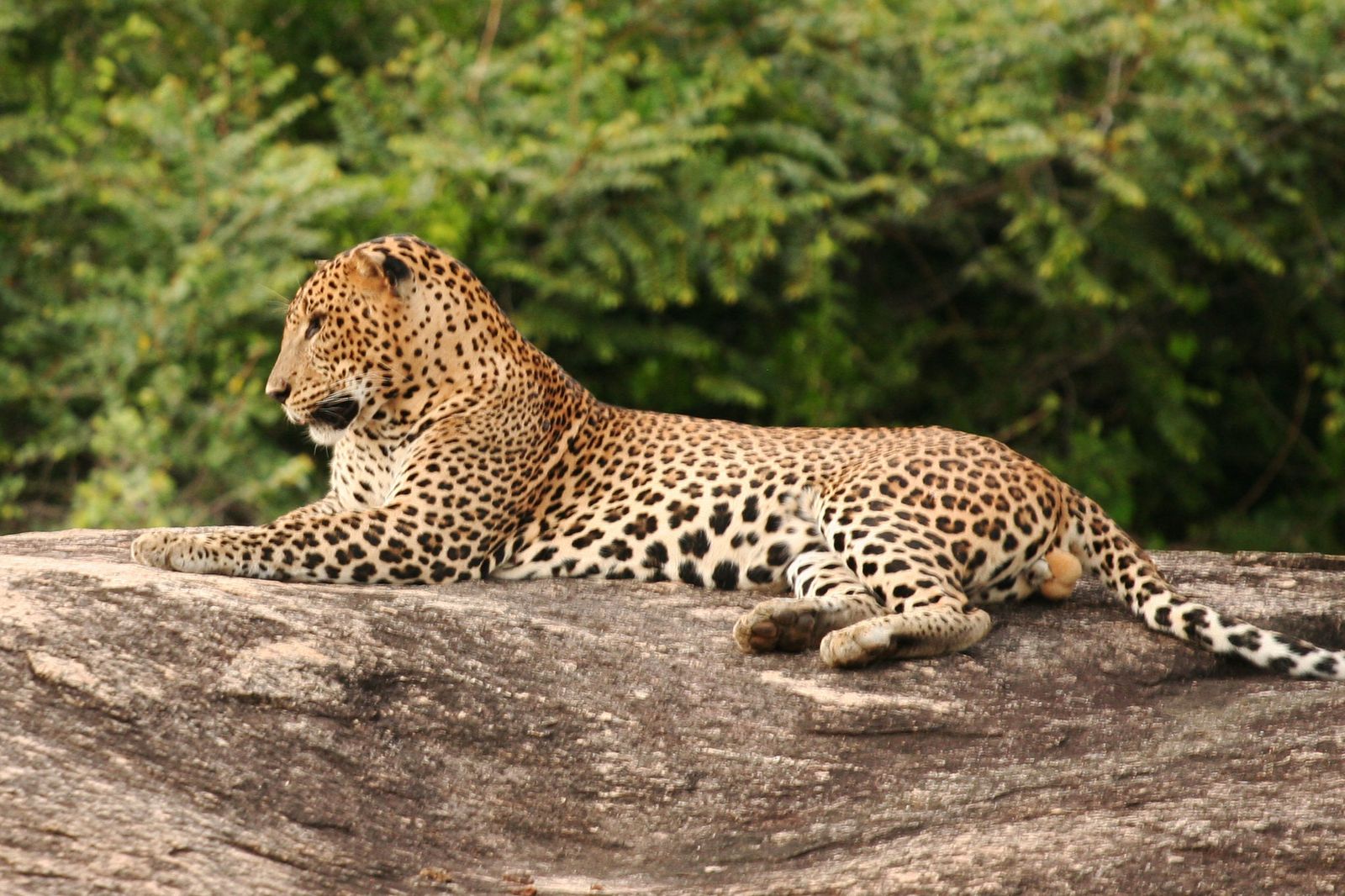
Yala - Image via Flickr
Understanding Yala's Ecological Significance
Yala National Park, situated in the southeast region of Sri Lanka, is renowned for its diverse ecosystems, ranging from dense jungles to open grasslands and lagoons. This unique blend of habitats supports a wide variety of wildlife, including elephants, sloth bears, and one of the highest densities of leopards in the world. Visitors can also spot an array of other fascinating animals, such as spotted deer, wild boar, and water buffalo. Additionally, Yala is a haven for birdwatchers, with over 200 bird species recorded in the park. The park is home to endemic species like the Sri Lanka junglefowl and the Sri Lanka grey hornbill, as well as migratory birds such as the greater flamingo and the Eurasian spoonbill. Reptile enthusiasts will find a diverse population of crocodiles, monitor lizards, and a variety of snakes. The coastal areas of the park offer sightings of marine life, including sea turtles and the occasional dolphin. Yala's rich biodiversity makes it an essential destination for nature lovers and wildlife enthusiasts.
Responsible Wildlife Viewing
Witnessing wildlife in their natural habitat is a true privilege. To ensure minimal disturbance to the animals, follow these guidelines:
- Maintain a Safe Distance: Always keep a respectful distance from wildlife. Approaching too closely can stress animals and alter their natural behaviours.
- Stay Quiet: Silence is golden in the wild. Avoid loud noises that can startle the animals and disrupt the tranquillity of the park.
- Do Not Feed the Animals: Feeding wildlife can cause them to become dependent on humans and disrupt their natural feeding habits. Always let animals find their own food.
Sustainable Practices in Yala
Adopting sustainable practices during your visit can significantly reduce your environmental impact:
- Dispose of Waste Properly: Carry a bag to collect your trash and dispose of it at designated areas. Littering can harm wildlife and spoil the natural beauty of the park.
- Use Reusable Items: Opt for reusable water bottles and bags to minimize plastic waste. Plastic pollution is a major threat to wildlife and ecosystems.
- Stick to Designated Paths: Stay on marked trails and roads to avoid trampling vegetation and disturbing animal habitats.
Choosing Eco-Friendly Accommodation
Selecting eco-conscious accommodations near Yala can enhance your sustainable travel experience. One excellent option is Cinnamon Wild Yala, a luxury hotel that emphasises sustainable tourism practices. Located near the park, this eco-resort offers stunning views and modern amenities while prioritising environmental conservation. By staying at such eco-friendly hotels near Yala, you support businesses committed to preserving the natural environment.
Tips for a Respectful Visit
- Follow Park Rules: Adhere to all guidelines provided by park authorities. These rules are designed to protect both visitors and wildlife.
- Hire a Local Guide: Local guides possess valuable knowledge about the park's ecosystems and wildlife. They can enhance your experience while ensuring that your visit is environmentally responsible.
- Limit Your Footprint: Be mindful of your energy and water consumption during your stay. Simple actions, like turning off lights and conserving water, can make a big difference.
- Respect Wildlife: Maintain a safe distance from animals and never attempt to feed them. Disturbing wildlife can have harmful effects on their natural behaviours and health.
- Stay on Designated Paths: Stick to marked trails and roads to minimize your impact on the environment. Venturing off-path can damage delicate ecosystems and disturb wildlife habitats.
- Proper Waste Disposal: Dispose of your trash properly and use designated bins. Avoid littering, and consider carrying a reusable bag to pick up any litter you may come across.