
Why Koh Samui's Elephant Sanctuaries Are the Perfect Refuge
Published by Hector Dean,
Thailand is known for its gorgeous beaches, stunning landscapes, and many islands that form its borders. The island of Koh Samui is one such gorgeous island renowned for all the attributes that this East Asian country is known for. Beyond the tourist attractions that gather many visitors, the elephant sanctuaries built for the conservation of these gentle giants have been gaining popularity, especially as they are connected to the sustainable travel efforts that Thailand has become known for. These sanctuaries provide a safe and nurturing environment, promoting animal welfare and responsible tourism. Here’s why visiting these elephant sanctuaries should be a part of your travel itinerary.
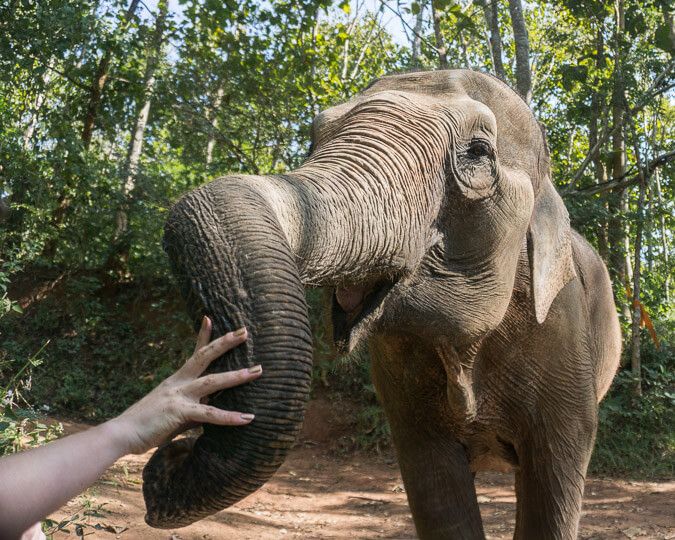
Koh Samui's Elephant Sanctuaries - Image via Flickr
The Importance of Ethical Elephant Sanctuaries
The elephant has long been a symbol of the rich culture that Thailand is known for. The last couple of decades have seen cruelty, abuse and exploitation bestowed upon these innocent animals for the entertainment of tourists and as an alternative to more expensive human labour. Traditional elephant tourism often involves practices that are harmful to these majestic animals, such as elephant rides, performances, and other activities that require harsh training methods. Ethical elephant sanctuaries, however, aim to change this narrative by providing a safe and caring environment for elephants, allowing them to live more naturally and freely while still allowing guests to observe them and interact with them in their own habitat at their own pace.
A Commitment to Animal Welfare
The primary goal of the elephant sanctuaries in Koh Samui is to ensure and propagate the well-being of elephants. The sanctuaries follow a well-established code of ethics and have guidelines in place to ensure the health, safety, and happiness of the animals. The team behind the scenes is responsible for rescuing elephants who have been harmed and abused in various situations. The team uses the facilities and space at the sanctuary to facilitate the recovery process in a supportive and nurturing environment. Here’s a look at some of the key principles that make these sanctuaries ethical havens:
No Elephant Rides
While elephant rides might seem harmless and fun to anyone viewing the situation from an outside perspective, there is much going on that you are not aware of. One of the most harmful practices in traditional elephant tourism is offering elephant rides. Elephants are creatures who have their own spirit and love their freedom, but the rides are meant to break the animal's spirit so it can be easily bent to the will of its handler. Cruel training methods, including spikes, starvation beating and being tied up, were often employed to achieve this feat. However, the ethical sanctuaries in Koh Samui strictly prohibit elephant rides. Instead, they encourage visitors to observe and interact with the elephants in ways that do not cause harm or stress.
Natural Living Conditions
At the sanctuaries, the elephants are provided with an environment meant to mimic their natural habitat. They have access to ample space to roam, socialize, and forage, which is essential for their physical and mental well-being. Access to clean water, ample food sources and proper medical care are prioritise at the sanctuary. Crowds often visit the sanctuary while on tour to other parts of the island. Most tourists nowadays are interested in preserving the environment and animals and always promoting sustainable travel in Thailand as well as other countries.
Positive Reinforcement Training
Even the methods of training involved when handling elephants are vastly contrasting to those employed in the past. Ethical sanctuaries employ positive reinforcement training techniques, which involve rewarding elephants for good behaviour rather than punishing them. This appr ach helps build trust between the elephants and their caretakers, creating a more harmonious and stress-free environment.
Educational Programs
These sanctuaries also focus on educating visitors about the plight of elephants and the importance of ethical tourism. Through guided tours and interactive experiences, visitors learn about the history of the elephants, their natural behaviours, and the challenges they face. Tourists rom Santiburi Koh Samui and other resorts visit the sanctuary as it is near them. This educ tional component helps raise awareness and promotes a more compassionate approach to wildlife tourism.